Not long ago, Spartanburg Community College in South Carolina developed a program alignment report comparing the current labor market with the college’s academic offerings. The goal was to determine whether the college is producing enough graduates in fields that are in demand in the region, or whether it may be overproducing graduates in areas where workforce demand is lower. Spartanburg’s EPIIC partner, Northeast State Community College in Tennessee, took inspiration from that idea and developed a dynamic dashboard that shows in real time where Northeast State’s academic programs stand in relation to its labor market, identifying areas of success and growth. The two colleges then swapped notes and shared their ideas at a recent EPIIC project meeting.
Like many EPIIC projects, EPIIC’s BOOST project—comprised of Spartanburg, Northeast State, and Tidewater Community College in Virginia—thrives on partnership and collaboration. “We all joke about this, but I swear we all believe that it was like a match made in heaven between our three community colleges,” says Dawn Bridwell, Northeast State Technology Division Project Director and PI on the BOOST project.
Shared Goals
Part of the reason this collaboration clicked is that all three institutions are community colleges. “We all have the same broad perspective on things in our target population and who we’re trying to serve and what our goals are,” says Nikki Morrison, Director of Sponsored Programs and Strategic Initiatives at Northeast State Community College. They also share a common focus: moving beyond one-off employer relationships and building lasting systems for workforce partnership.
Specifically, the three colleges have accomplished the following as part of the grant:
Spartanburg Community College
Created a Director of Industry Partnerships role to strengthen employer collaboration.
Improved alignment between credit and noncredit data and planning.
Leveraged Spark Center SC while expanding industry relationships.
Northeast State Community College
Redesigned technology program advisory boards to better engage industry partners.
Built an executive-level employer engagement model and advanced CRM implementation.
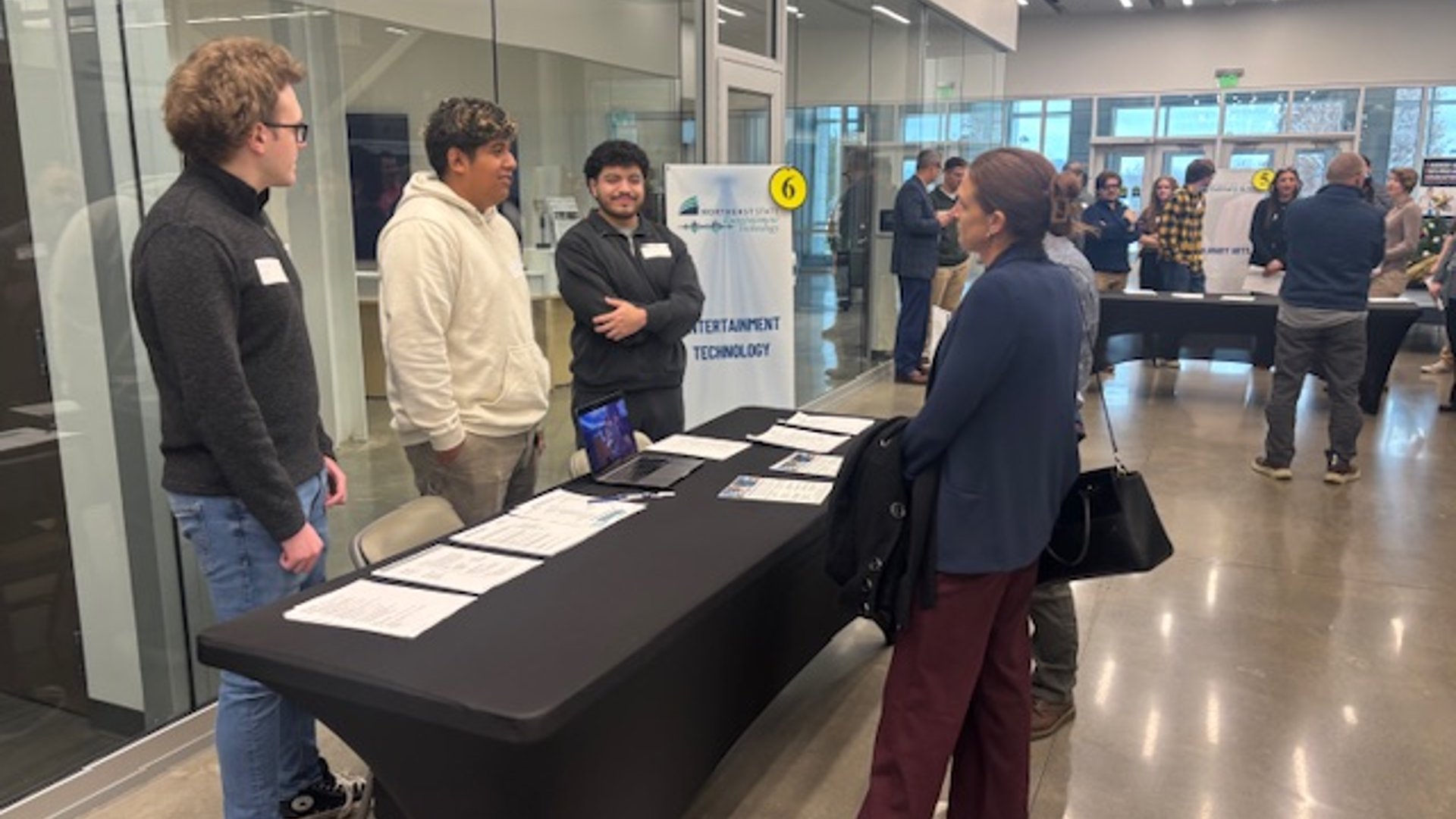
Created mechatronics and machine tool crosswalks and hosted a reverse career fair for about 50 students and 50 industry partners.
Tidewater Community College
Hired an Employer Engagement Specialist to standardize employer engagement and apprenticeship work.
Launched apprentice orientation meetings, developed 14+ toolkits and manuals, and restructured two years of data.
Reduced duplication and communication gaps through stronger systems and advanced a regional advisory board effort.
“These efforts have increased regional engagement, improved internal efficiency, and elevated the visibility of TCC’s apprenticeship programs within the Virginia Community College System and the broader workforce ecosystem,” says Jenefer Snyder, Associate Vice President for Sponsored Programs and Center for Teaching Excellence.
The three teams have met regularly since receiving EPIIC funding in 2024, a key reason the partnership has worked so well. At the same time, the colleges are different enough to keep the collaboration productive. “There’s just enough differences between our institutions that that also creates opportunity to learn as well,” says Morrison. For instance, she says, “Tidewater is a lot bigger than us, and their service region is a lot more urban than ours, but it’s interesting to see how they’re doing things versus how we’re doing things and what we do with that.”
Unique Successes and Challenges for Community Colleges
These efforts also highlight the particular strengths of community colleges, especially in workforce preparation. “We are able to offer quicker turnaround certificates that are technical and hands-on through both credit and noncredit programs, allowing us to develop programming and train workers who can more quickly complete their learning and join the workforce,” says Caroline Sexton, Dean of Research & Development at Spartanburg Community College. “This allows us more flexibility to meet the workforce needs of local business and industry.”
What’s more, community college faculty are often more teaching-centered, with many bringing current industry experience and employer connections into the classroom. They also tend to be more flexible and accessible, with open-admissions models and shorter course sessions that can help students earn credentials and enter the workforce more quickly.
At the same time, community colleges face distinct challenges. One is recruiting and retaining credentialed faculty available to teach during daytime hours. Another is perception. “Unlike four-year universities, they are often not seen as innovation leaders, so businesses and economic development groups may overlook them as potential partners. This results in missed opportunities for both two-year colleges and their potential partners,” says Sexton.
Looking Beyond the Grant
All three colleges are already thinking about sustainability. Spartanburg wants continued growth in industry partnership roles. Tidewater wants the regional advisory board and inter-institutional collaboration to continue, along with future consortium grant applications. Northeast State said sustainability is “on our mind for sure,” with the colleges discussing what continuation might look like and even considering another joint NSF proposal.
“We have grown a very strong partnership with Tidewater and Northeast State that would never have existed without the NSF-EPIIC program,” says Sexton. “The connections we have made with peers at these other institutions have grown beyond the BOOST project and into other areas of the college like grants and apprenticeships.”