
A-SPARK: Agriculture and Science Practice and Access for Research-Driven Knowledge
Accelerating sustainable partnerships for innovation, research, and entrepreneurship in AI (ASPIRE-AI)
Advancing Regional Innovation Through Sustainable Engagement (ARISE)
Bolstering University Infrastructure for Leading Development (BUILD)
BUILD is a collaboration between Arkansas Tech University (ATU) and the University of Arkansas at Pine Bluff (UAPB) to improve their institutional position to engage with Arkansas’ state-wide research ecosystem.

Building Institutional Capacity for External Partnerships (BICEP)
BICEP is a team of four universities with the shared goal of collaboratively building their institutional capacity and knowledge for growing external partnerships that advance key technologies within their innovation ecosystems.
Building Opportunities for Outstanding Skills Training (BOOST)
The Building Opportunities for Outstanding Skills Training in Advanced Manufacturing for Southeastern Two-Year Colleges project addresses the urgent need for a skilled workforce in advanced manufacturing within the Southeastern United States.

Building Relationships in Innovation and Development for Growth in Emerging Technologies (BRIDGE-TECH)

CREATE: Creating Research Enterprises Adapted for the Teaching Environment
Collaborations with High-Tech Industry Partners (CHIP)
This collaboration will enhance workforce partnerships, address skills gaps, and promote innovation in emerging technologies through collaborations with community colleges and industry under the NSF EPIIC initiative.
Colleges Aligning Resources to Elevate Education and Regional STEM (CAREERS) Workforce
Combining Partnerships and Entrepreneurship for Emerging Technologies (ComPEET)
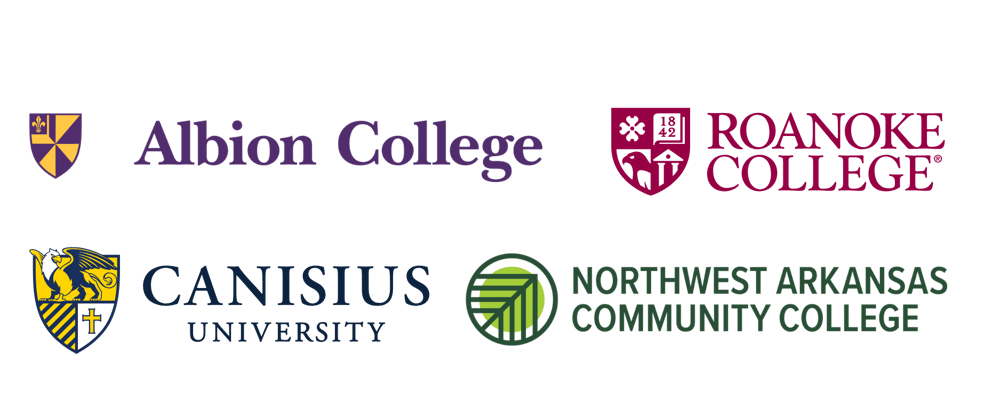
Connect Four - Building Regional Innovation Partnerships to Enhance Workforce Development
The “Connect Four” project brings together Albion College, Canisius University, Northwest Arkansas Community College, and Roanoke College, each well positioned to advance innovation in relevant regional ecosystems.
Cross-Continental Collaboration Coalition (C4)
The C4 project is an interdisciplinary endeavor among five primarily undergraduate, four-year institutions, to address the multifaceted challenges encountered in higher education today. while recognizing the pivotal role of industry collaboration.
Cultivating Innovation and Research Capacity for Life Sustaining Emerging Technologies (CIRCLET)
Developing Emerging Technology Ecosystem Partnerships for Primarily Undergraduate Institutions
This partnership is focused on building the capacity of three PUIs to sustainably increase the number of partnerships to drive workforce development and research projects between faculty and students, industry, and IHEs.

Developing an Eco Engine Jumpstart Kit
The collaborative project aims to develop an Eco Engine Jumpstart Kit to improve under-resourced colleges' engagement with innovation ecosystems through infrastructure solutions, enhancing research and entrepreneurship capacity across networks.

EXcellence in Partnership with industry, Academia, and New Discoveries (EXPAND)

EmpowerEd — Building the Future Workforce Together
This is a collaborative project in which the cohort institutions will work together grow industry partnerships, improve alignment of program curricula with industry needs, and enhance faculty skills and knowledge of emerging technologies.

Enabling Meaningful External Research Growth in Emergent Technologies (EMERGE)
Members of this EPIIC Project share a common vision to EMERGE as recognized partners in research and development (R&D), translation of research into practice, and talent development in emerging technology fields.

Fostering Unity and Teamwork for Rural Excellence (FUTURE)
Generating Regional Innovative Partnerships (GRIP)
The collaborative project aims to broaden the participation of two-year institutions of higher education in emerging technology programs by increasing the capacity and infrastructure to grow and sustain strong regional partnerships.
HBCU Alliance for Strategic Partnerships for Innovation and Research Enhancement (HBCU-ASPIRE)

Increasing our Innovation SCOREs: Symbiotic Collaboration of Regional Ecosystems
This collaborative project aims to enhance innovation capacity among PUIs by fostering collaboration, best practices, and workforce access for underrepresented students in STEM, within a regional ecosystem.

LIGHT UP: Leveraging Innovation to Grow High Tech and University Partnerships
The LIGHT UP Collaborative aims to establish a community of practice to develop and enhance a research and innovation ecosystem that capitalizes on external partnerships to shape the STEM talent pipeline and workforce development.
LInking Vital Ecosystems (LIVE) in Research and Economic Development
Managing Culture Change on Two Fronts - Strengthening Our Capacity to Develop Partnerships
This is a collaborative project across the following institutions: The College of New Jersey (TCNJ) and the University of Wisconsin-Eau Claire (UWEC).

NSJV RITE

Partnering to Advance And Drive Innovation on Sustainability and the Environment (PARADISE)
This project unites Hawai‘i Pacific University, Paul Smith’s College, and the University of the Virgin Islands to address challenges faced by geographically isolated "islanded" communities.
Raising Rural Economic Development & Innovation (RREDI)

Research Infrastructure: PRISTINE Partnerships to Promote Research & Innovation for SocieTal Impact & Novel Engagements

Rural AI Solutions and Engagement (RAISE)
The RAISE project unites the University of Alaska Anchorage, Salisbury University, and Valdosta State University to develop AI-driven solutions to rural challenges.
Scaling Partnerships and External Collaborations through Industry-Aligned Learning (SPECIAL)
Strategic University Practices to Expand Research (SUPER) Partnerships
This project is a collaborative initiative involving the University of Puerto Rico - Mayagüez, West Texas A&M University, and Western Washington University.

Strengthening Collaborative Advancements Leveraging Equitable University Partnerships
This collaborative aims to enhance research capacity in MSIs and PUIs by fostering industry partnerships, aligning curricula with workforce needs, and strengthening administrative capabilities for improved STEM education and innovation.

Supporting Partnerships for Advancement, Research, and Knowledge (SPARK)
SPARK outreach unites four PUIs to form the SPARK Center network (acronyms for the participating institutions) to advance use-inspired research, industry ties, policy development, and sustainable external funding.
.png/thumbcontain)
The Concept CAFÉ (Collaborative Activities Fostering Exploration): Innovation Brewing
This collaboration focuses on building our capacity for research projects between university faculty, industry partners, and community stakeholders, while simultaneously developing the regional workforce for these entities.