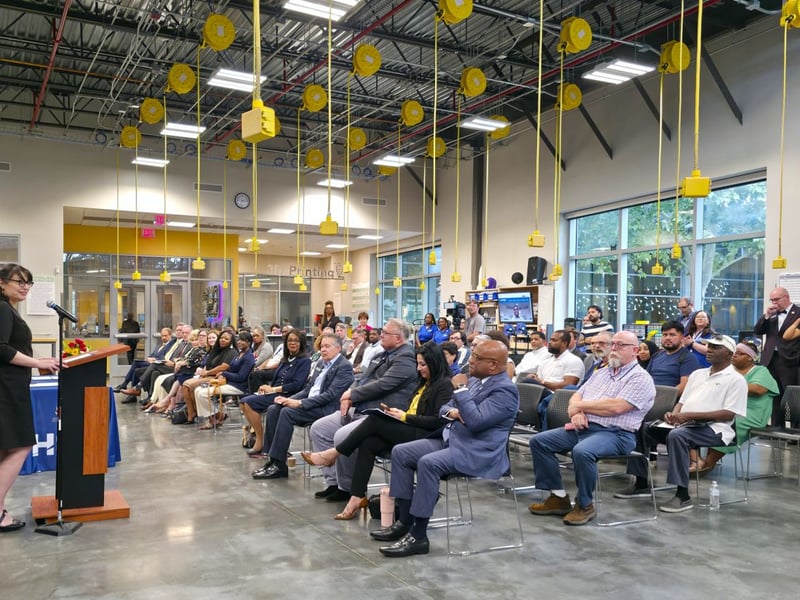
Sorting the Ecosystem: How EPIIC Awardees Categorize Their Partnerships
As industry, school, and community partners multiply, how do EPIIC teams keep track of who’s who — and how deep each relationship runs? From five-level frameworks to full-time “ecosystem managers” to shared CRMs, awardees are finding different answers to the same question.
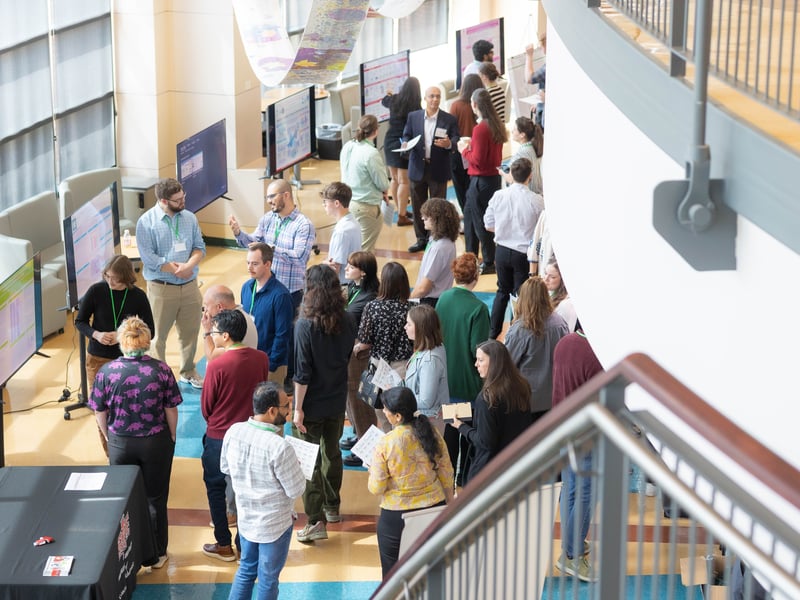
NWACC Biotechnology Symposium Brings Together Regional Education, Research and Industry Partners
By EPIIC Web Team
NorthWest Arkansas Community College recently hosted the 2026 Biotechnology Symposium in Bentonville, Arkansas. This EPIIC-funded event brought together students, educators, researchers, industry professionals and community partners for a day focused on biotechnology training, workforce development and regional innovation.
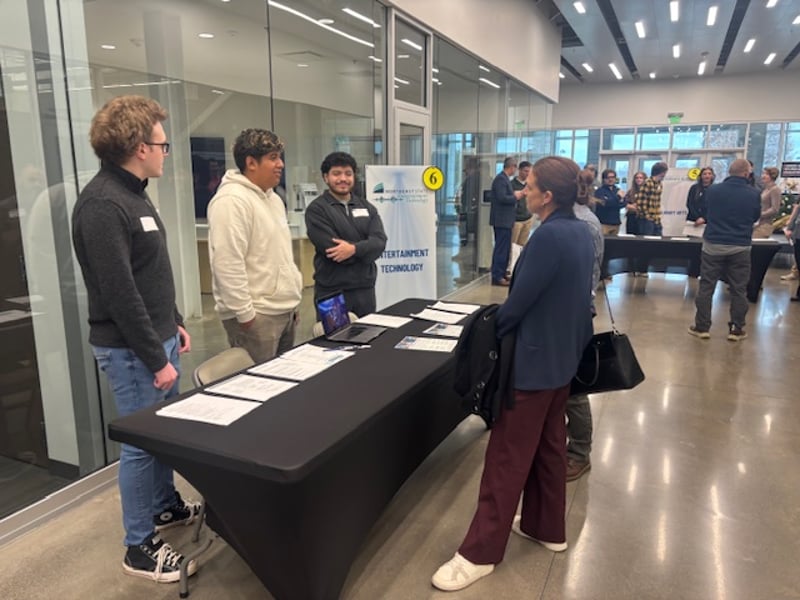
How Three Community Colleges Built Momentum Through BOOST
By Divya Abhat
What happens when three community colleges build a workforce partnership together? Learn how Spartanburg, Northeast State, and Tidewater are using EPIIC’s BOOST project to strengthen industry relationships, support students, and lay the groundwork for long-term impact.
UTPB awarded $400,000 NSF Grant to Advance Research and Innovation in the Permian Basin
By Odessa American, Odessa American, Texas The Tribune Content Agency
The University of Texas Permian Basin (UTPB) recently received a competitive 3-year, $400,000 grant from the National Science Foundation (NSF) as part of their Enabling Partnerships to Increase Innovation Capacity (EPIIC) program to strengthen the university's role in research, innovation, and workforce development. This is the second largest award from NSF in UTPB's history.
When Rural Colleges Come to Students, Innovation Follows
By Divya Abhat
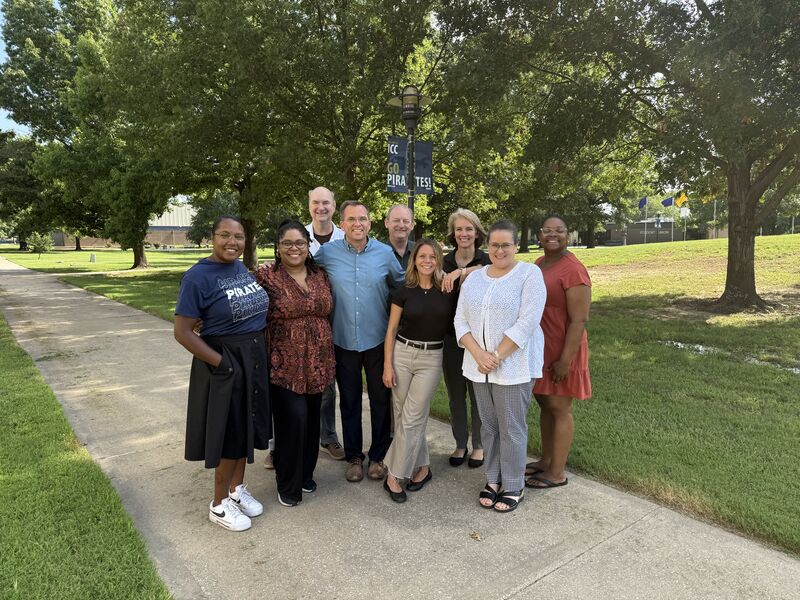
Rural colleges are taking innovation on the road — using mobile units, hands-on tech, and targeted support to reach first-generation students where they live. Through EPIIC’s RREDI project, four institutions are building innovation hubs, strengthening workforce pathways, and sharing what works (and what doesn’t) to overcome rural barriers.
Paul Smith’s College Receivees Nearly $1 million Grant to Launch Troops to Timber Workforce Initiative
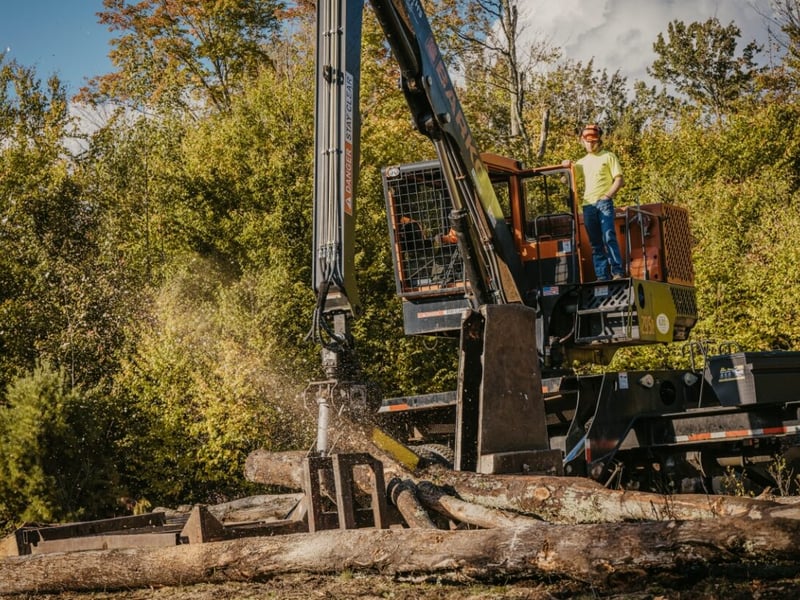
Paul Smith’s College — part of the EPIIC award, Partnering to Advance And Drive Innovation on Sustainability and the Environment (PARADISE) — has received a $999,991 grant from the Northern Border Regional Commission’s Forest Economy Program, a federal-state initiative that strengthens the evolving forest economy across northern New York, Vermont, New Hampshire, and Maine. The award will help Paul Smith’s College launch its Troops to Timber workforce initiative, preparing veterans, military families, and other jobseekers for skilled careers in forestry, logging, arboriculture, and forest management.
How this EPIIC Cohort Trains Faculty to Engage with Industry
By Divya Abhat
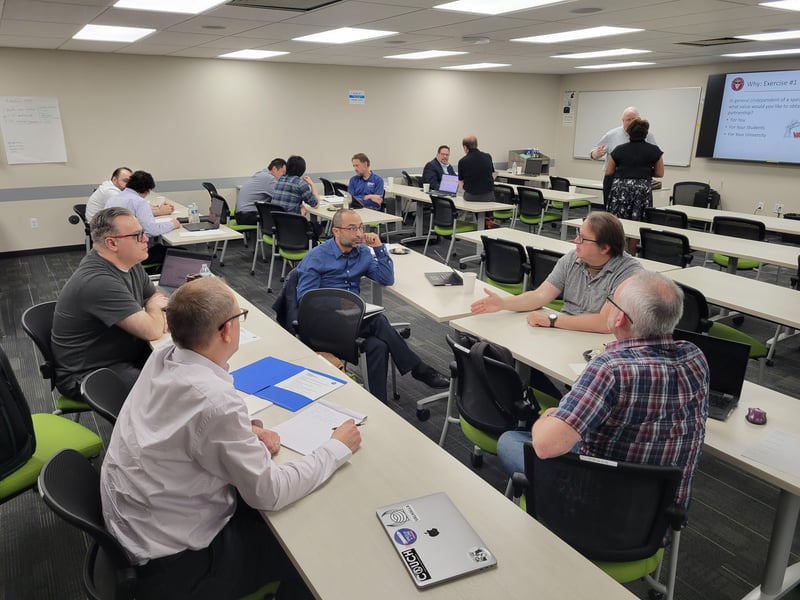
The NSF-EPIIC program is empowering universities to strengthen collaboration with industry through tailored workshops that demystify how to build and sustain partnerships. Four institutions, including Santa Clara University, have already launched these efforts and are developing campus-specific action plans.
Innovating at Scale: How Four Small Colleges are Building Big Industry Partnerships
By Divya Abhat
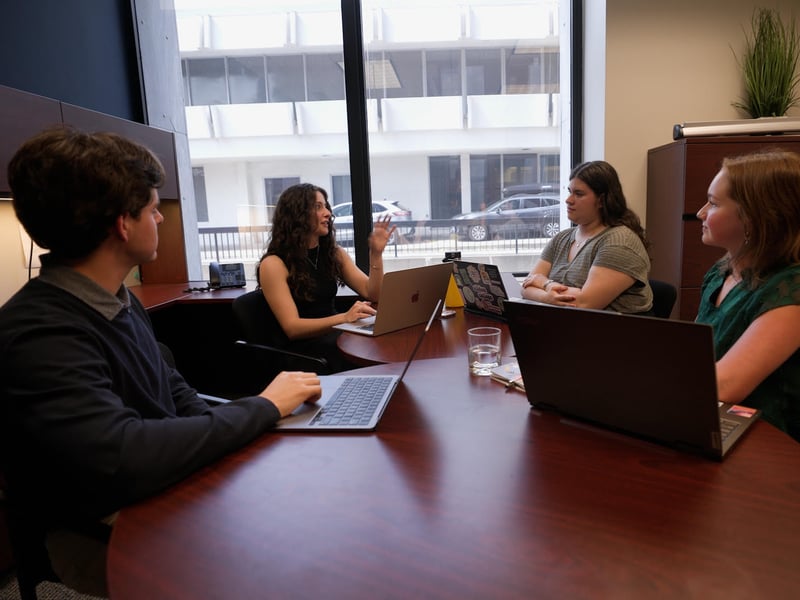
At small colleges like Albion College, the EPIIC-supported “Connect Four” cohort is building regional industry partnerships through modules like interdisciplinary consulting teams, networking, and infrastructure-reforms that embed partnership activity into institutional culture.

How NSF’s EPIIC Program Expands Innovation in Research Ecosystems
By EPIIC Web Team
The program stands out for its strategic, hands-on support guiding research institutions through every step of proposal development.

Champlain Professor Presents on AI To Congress in DC
EPIIC Web Team
Brian Hall traveled to Capitol Hill to represent the college at a showcase for the Congressional Artificial Intelligence Caucus. The event gathered experts from academia, government, and industry to inform policymakers about AI’s technological, economic, and social impacts.